
This course is designed to introduce you to and provide a broad overview of NAAEE’s Guidelines for Excellence: Community Engagement. This set of guidelines focuses on community wellness and is designed to help environmental educators create inclusive environments that support effective partnerships and collaborations.
caeeLearn
Skip available courses
Available courses
This course was developed by Plains Environmental Education Partnership to help you connect your instruction and programming to green and blue career pathways - from conservation and clean energy to water and natural resource careers.
Through the course's four modules, you will gain practical tools, explore real-world examples, and create a plan you can use right away.
- Teacher: Lisa Eadens
This course is designed to encourage you to reflect deeply on your practice and inspire you to strengthen your pedagogical practices so they are more welcoming, inclusive, and accessible. Course materials are based on the Universal Design for Learning framework. UDL is a framework to guide the design of learning environments that are accessible and challenging for all, rather than making modifications for individual students’ needs. Ultimately, the goal of UDL is to support learners to become “expert learners” who are, each in their own way, purposeful and motivated, resourceful and knowledgeable, and strategic and goal-driven.
The course content and associated assignments are geared towards practicing environmental and outdoor educators.
This course content was designed by Michelle Silvers of Silver’s Lining PLLC, Estrella Risinger with the Association for Environmental and Outdoor Education (AEOE), Michelle Pearce and Lauren Pyle with the Environmental Educators of North Carolina (EENC), with contributions from Rebekah Jones and the Cooper Center for Environmental Learning.- Teacher: Lisa Eadens
The eeLeadership Lab is designed to help organizations of all types assess their use of best practices, strengthen practices, and plan for the future. The process gives your team intentional time to assess your organization and program, celebrate successes, and identify areas for growth. The eeLeadership Lab offers two paths - a Traditional Environmental Education path and a Community Outreach path. Each path has a combination of required and optional assessments. Participants must complete at least four to receive recognition for completing the program.
- Teacher: Lisa Eadens
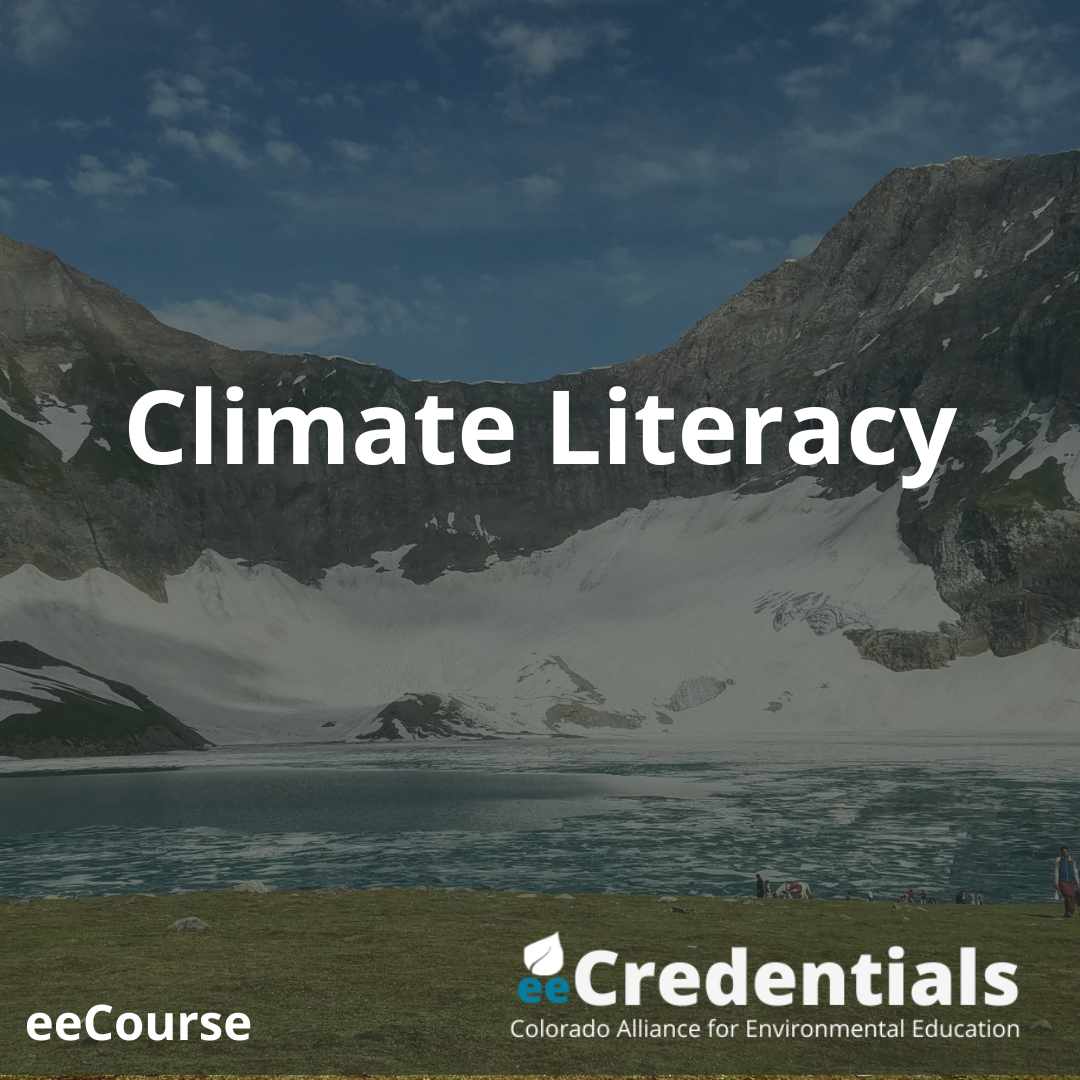
This course is designed to teach non-formal educators the basics of climate change, through readings, simulations, and visualizations, and also introduce them to climate change communication strategies.
- Teacher: Lisa Eadens
- Teacher: Sarah Johnson
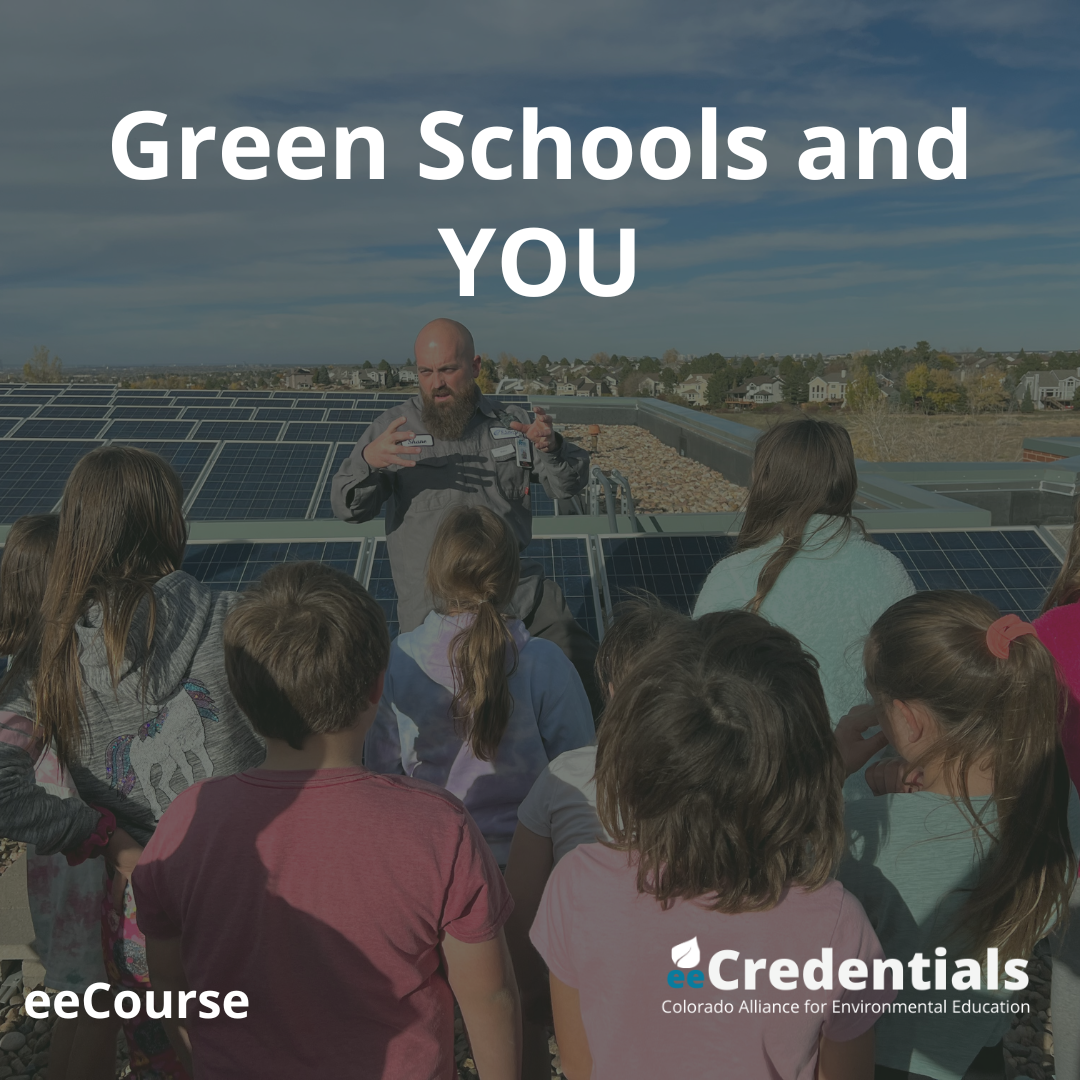
Welcome to the Green Schools & You eeCourse. This course is designed to help you learn about Green School programs in general--what they are, how to lead a program, and where to begin in building a program.
- Teacher: Lisa Eadens
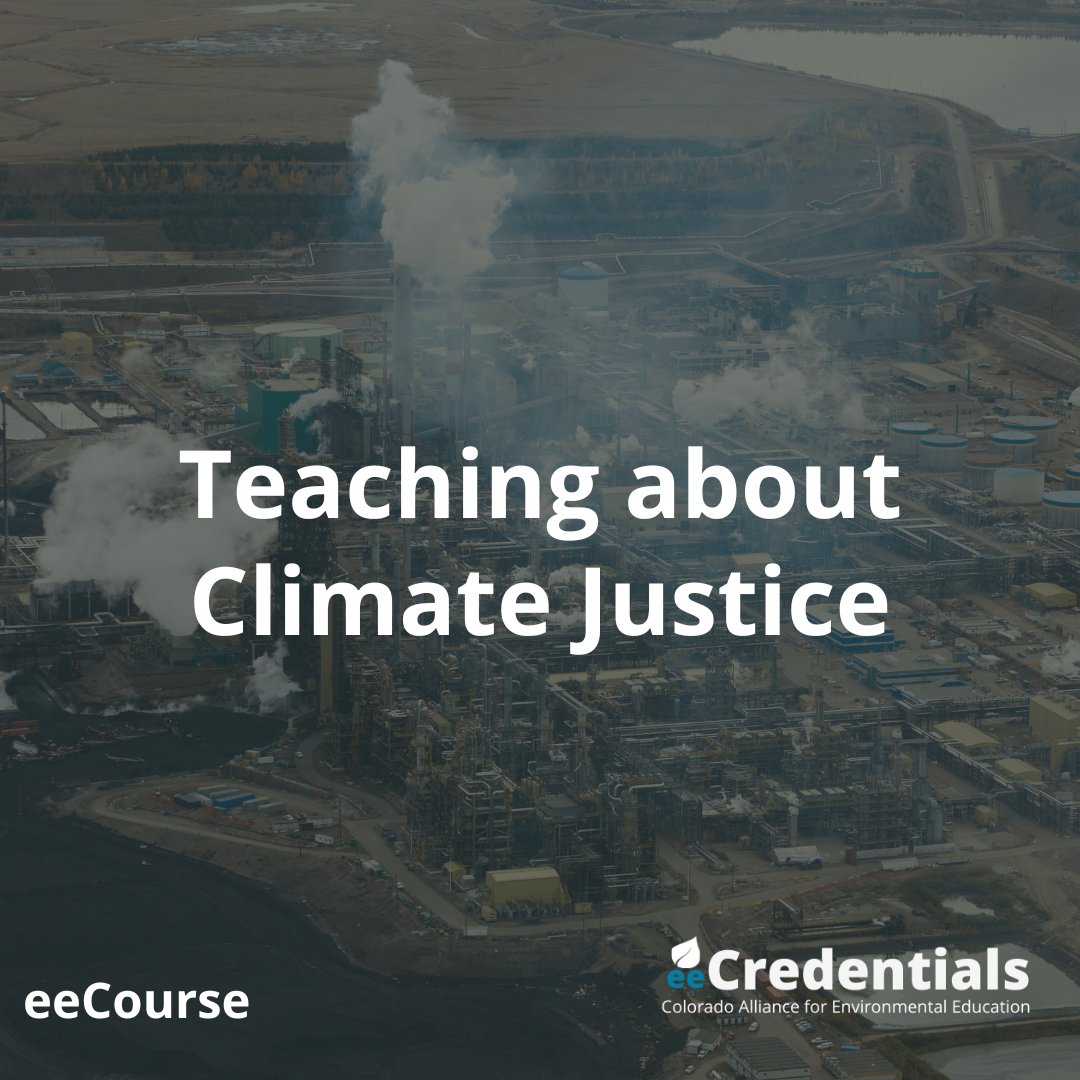
The Teaching about Climate Justice eeCourse is an asynchronous course designed to prepare educators to teach climate justice topics more confidently to students in grades 6-12.
- Teacher: Lisa Eadens
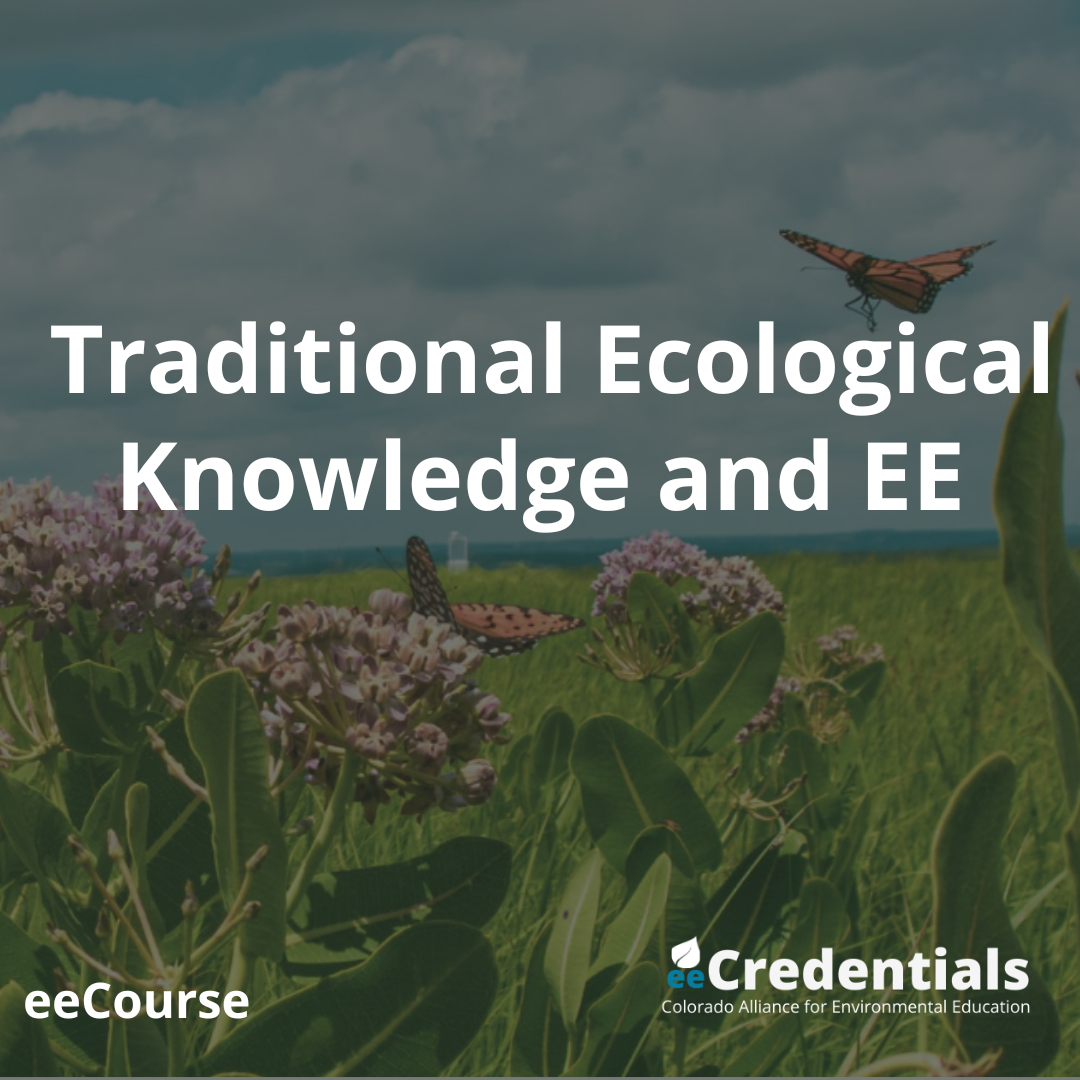
This course is designed to provide a strong foundation in Traditional Ecological Knowledge and ways of knowing. It is meant to be an introductory course and spark interest in further learning around how we can more intentionally and respectfully incorporate traditional ways of knowing into our environmental and outdoor learning programming.
- Teacher: Lisa Eadens
- Teacher: Katie Navin
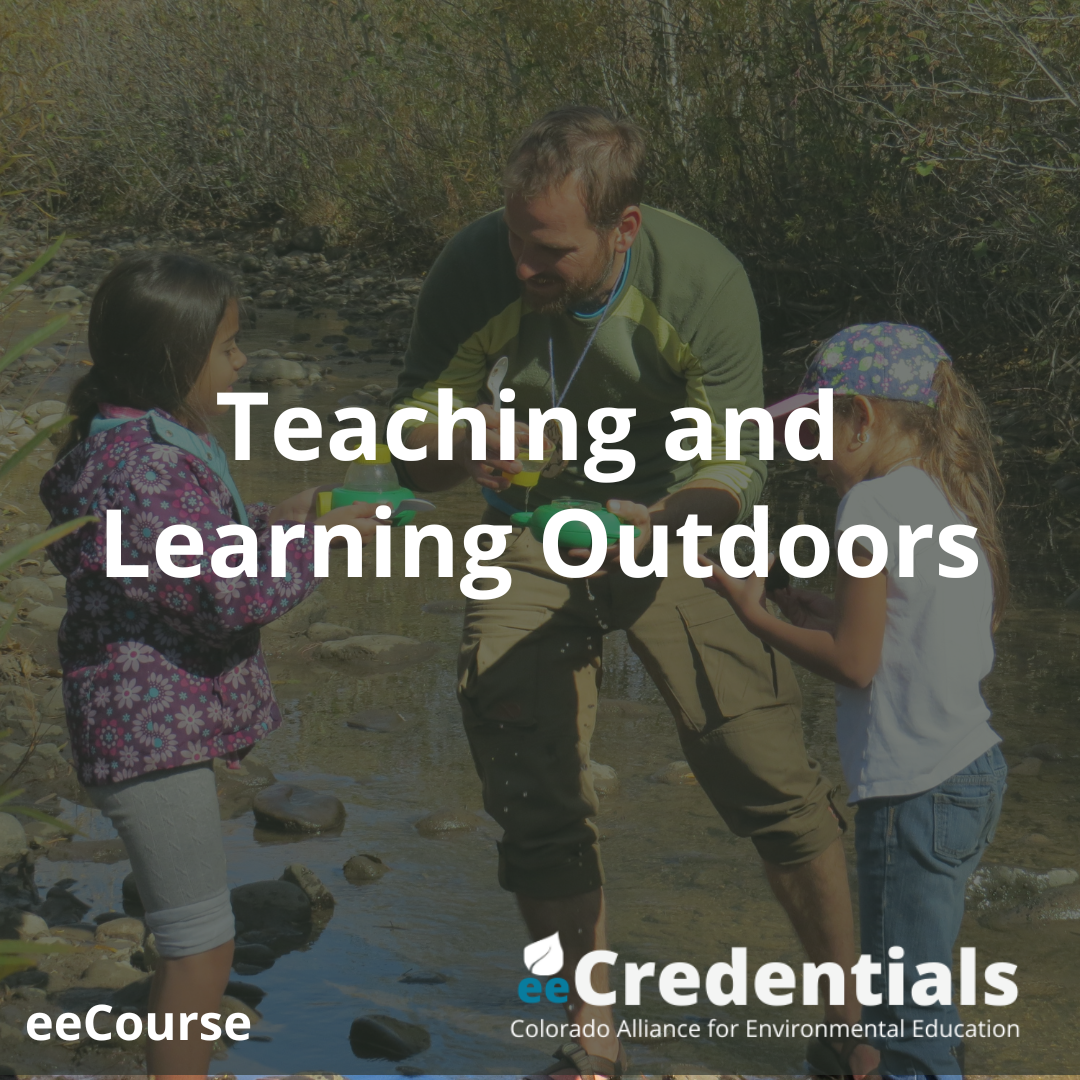
Welcome to Teaching and Learning Outdoors eeCourse. This course is designed to equip educators with the knowledge, skills, tools and resources to take environmental education learning outdoors.
- Teacher: Lisa Eadens
- Teacher: Katie Navin
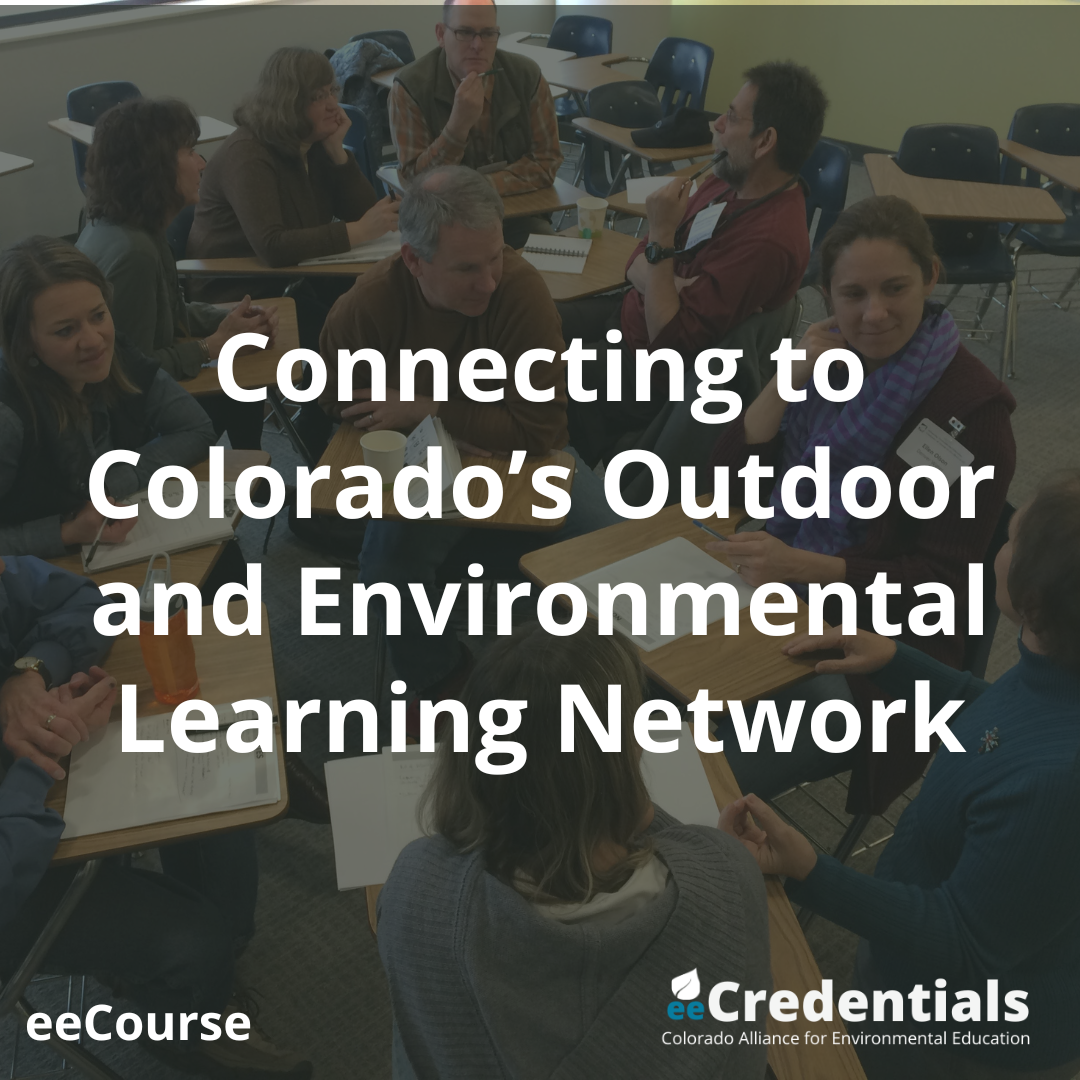
This mini-course is designed to help you get familiar with environmental and outdoor learning in Colorado and CAEE so that you can leverage our network and other state resources in ways that support the work that you do! You can choose to complete all three modules or just the ones that are most relevant to you.
- Teacher: Lisa Eadens
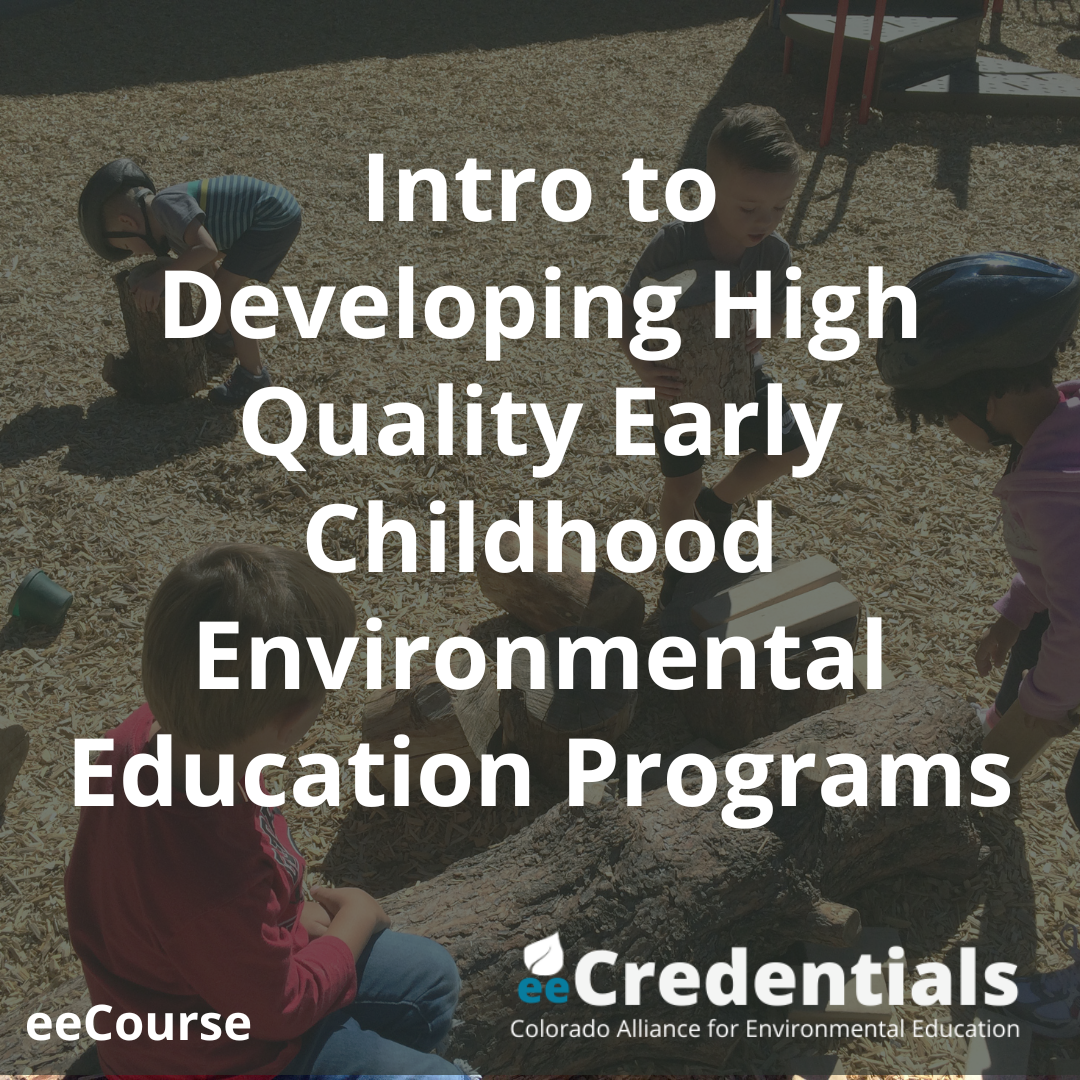
This course is designed to provide early childhood formal and non-formal educators with an introduction to environmental education, experience with early childhood environmental education activities, and the skills necessary to integrate early childhood environmental education into their classrooms, centers, family child care homes, and programs. Early childhood can extend from birth to age eight. For the purpose of this course, we primarily focus on ages three to six.
- Teacher: Lisa Eadens
- Teacher: Katie Navin
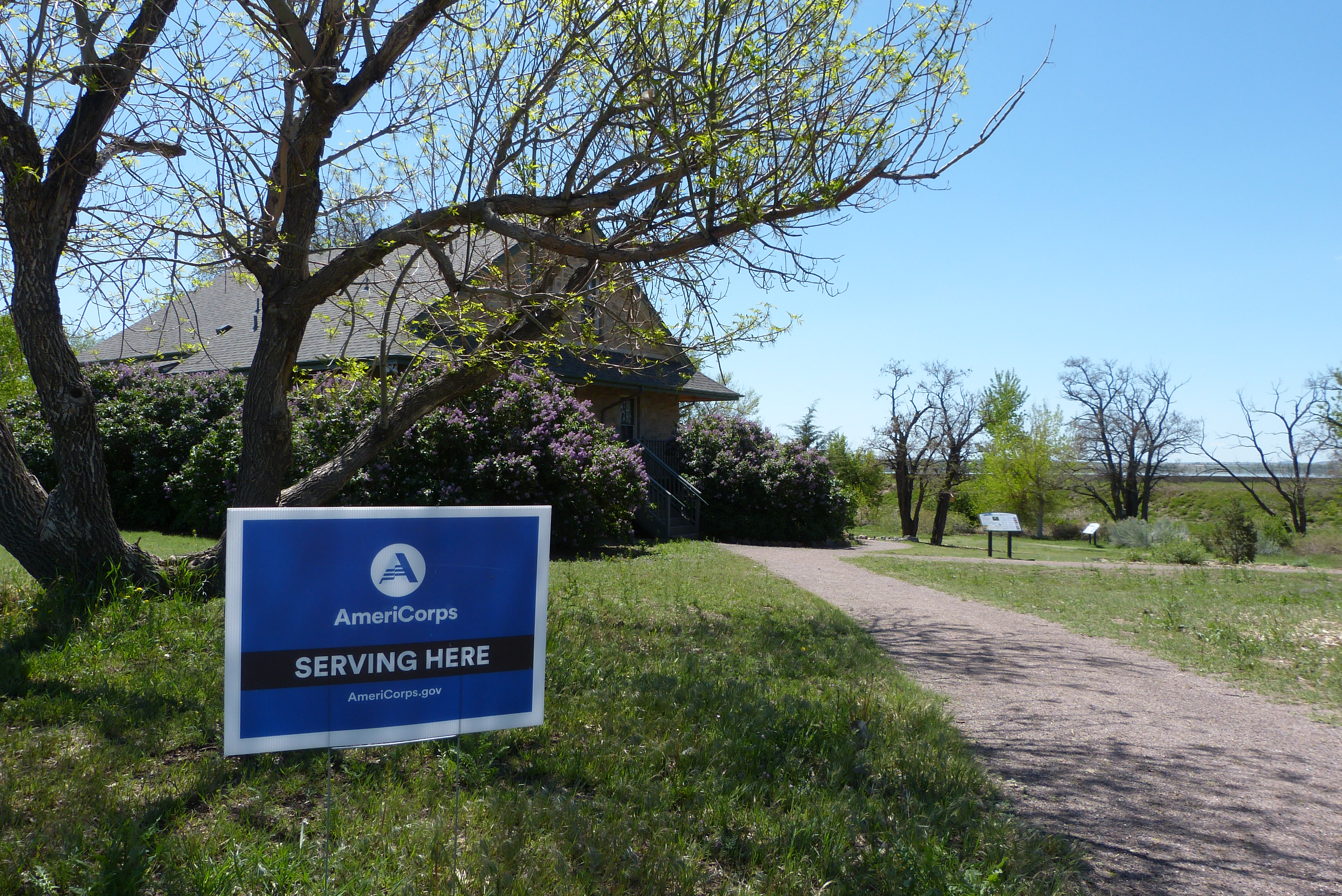
This "course" serves as both orientation for AmeriCorps supervisors who are new to their organizations that host eeCorps members, or for supervisors at new eeCorps host sites, as well as a Handbook resource for all supervisors to reference at any time during the program year. Within, you will find policies and procedures you'll need to know to support your AmeriCorps member while staying in compliance with AmeriCorps and eeCorps requirements.
- Teacher: Erin Dreps
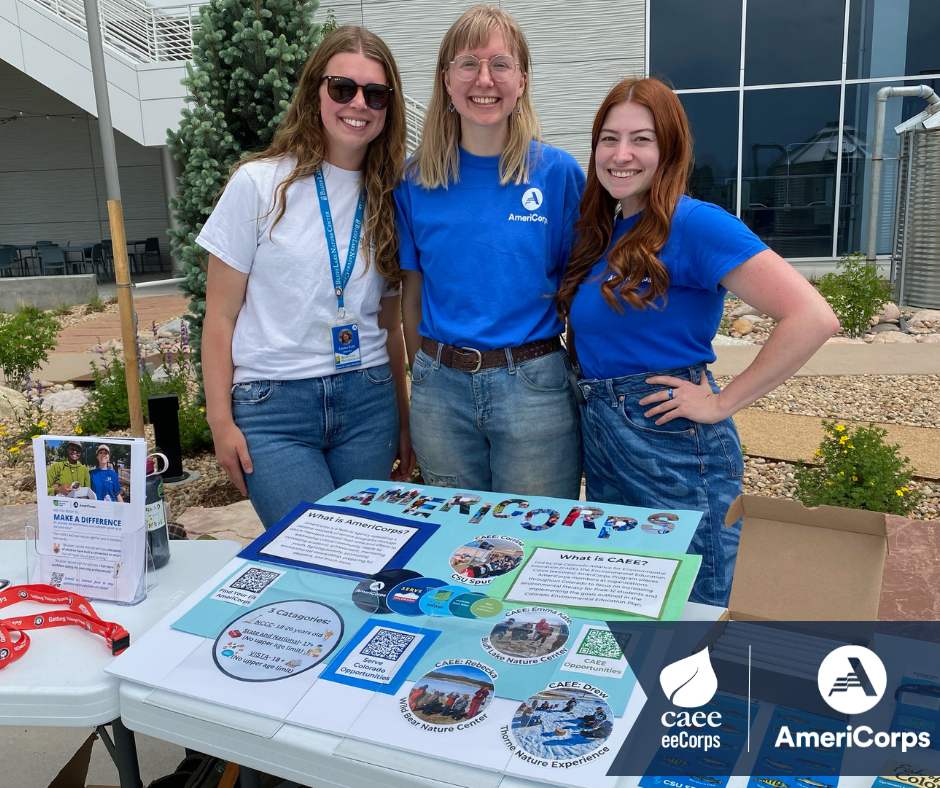
This course is intended for AmeriCorps members starting their service with the eeCorps to get oriented to policies and procedures they'll need to know for their service. It also doubles as a "handbook" that can be referenced throughout the term.
- Teacher: Erin Dreps
There are a variety of ways that controversy can show up in education. This course is designed to actively involve educators in understanding and building skills in how to investigate and evaluate environmental issues with their learners. The course models a variety of effective strategies educators can use to assist learners in exploring and seeking responsible courses of action toward the resolution of environmental issues. Participants will explore how to effectively teach about environmental issues, and will start to develop their own classroom and/or program plans and outlines about teaching environmental issues - with an emphasis on local issues.
- Teacher: Lisa Eadens
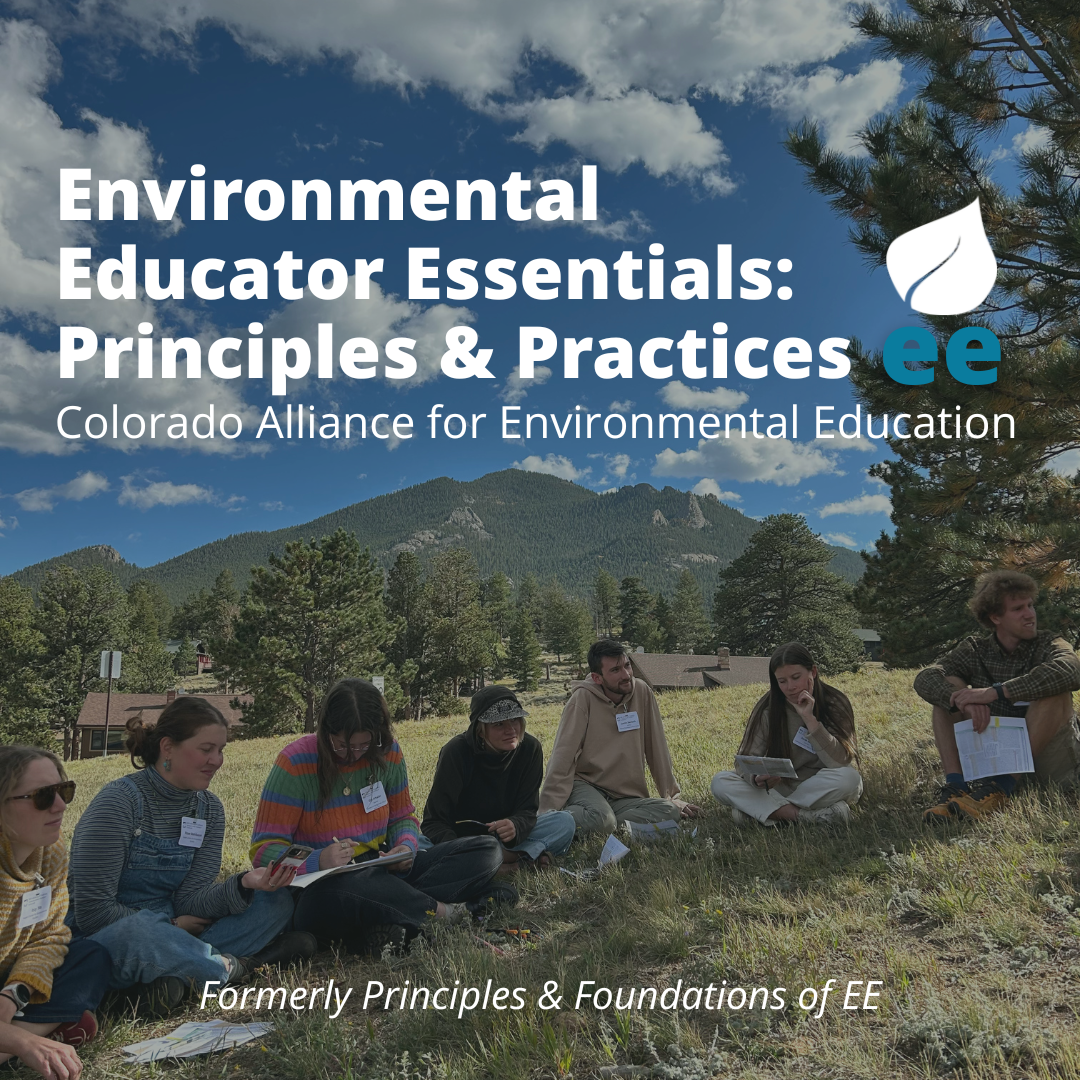
Environmental Educator Essentials: Principles and Practices (formerly Principles and Foundations of Environmental Education) is a professional development course aimed at classroom teachers and non-formal educators who would like to gain basic knowledge of environmental education (EE) and how it can be incorporated into their instruction.
- Teacher: Erin Dreps
- Teacher: Katie Navin
This course builds background knowledge and skills in environmental education best practices to ground future instruction in EE. This course is perfect for new and developing educators as well as supervisors looking for training opportunities for new or seasonal staff.
- Teacher: Erin Dreps
- Teacher: Lisa Eadens
- Teacher: CAEE Guest
- Teacher: Katie Navin
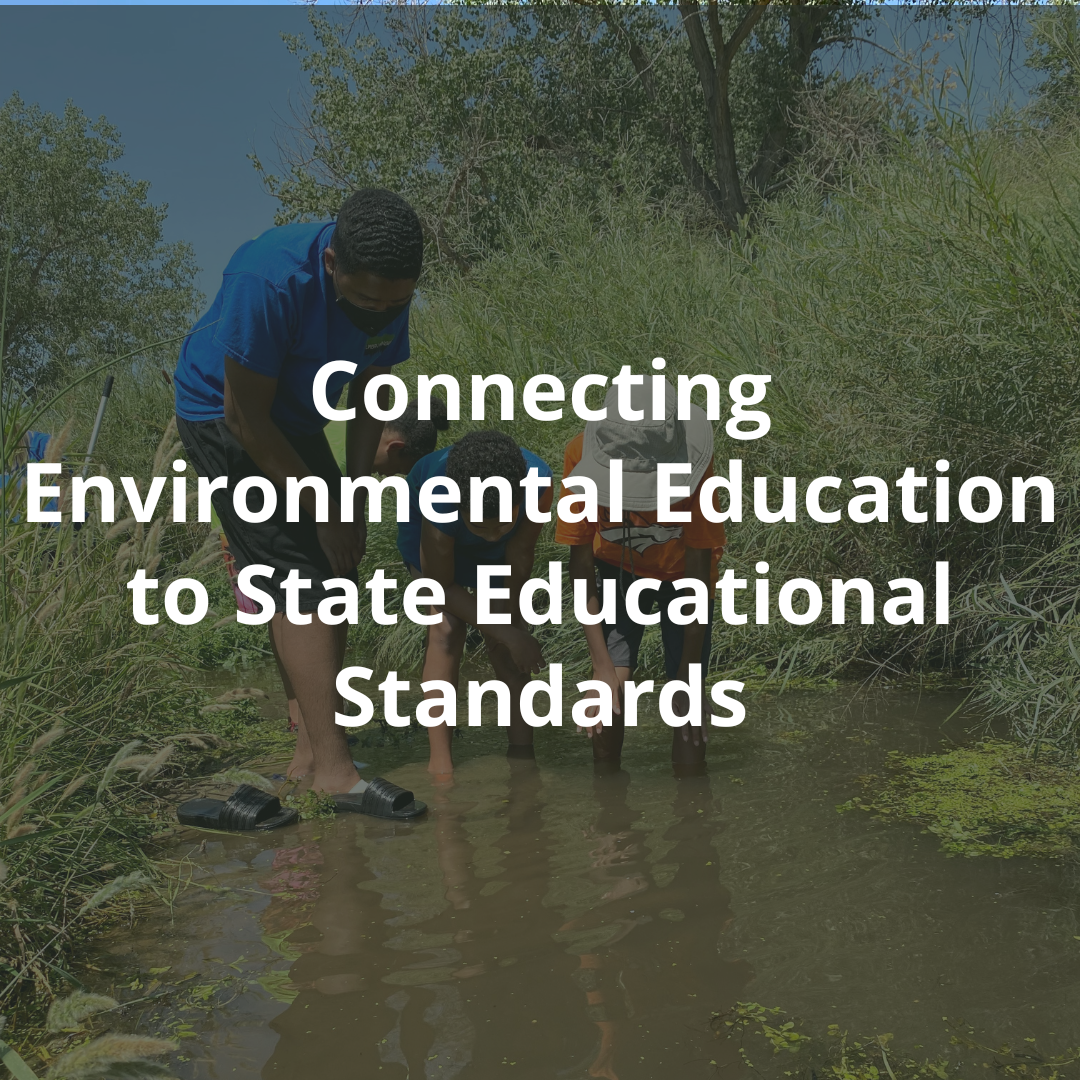
Standards define what a learner needs to know and be able to do. There are many kinds of standards in every content area at both national, state, and district levels. In the beginning of this course, you will learn more about what we want students to know and be able to do in environmental education as well as the framework and thinking behind how standards are helping change teaching practices. This will help us better understand Colorado's standards and how we can align an EE Program to the Colorado State Academic Standards.
- Teacher: Lisa Eadens
- Teacher: Katie Navin
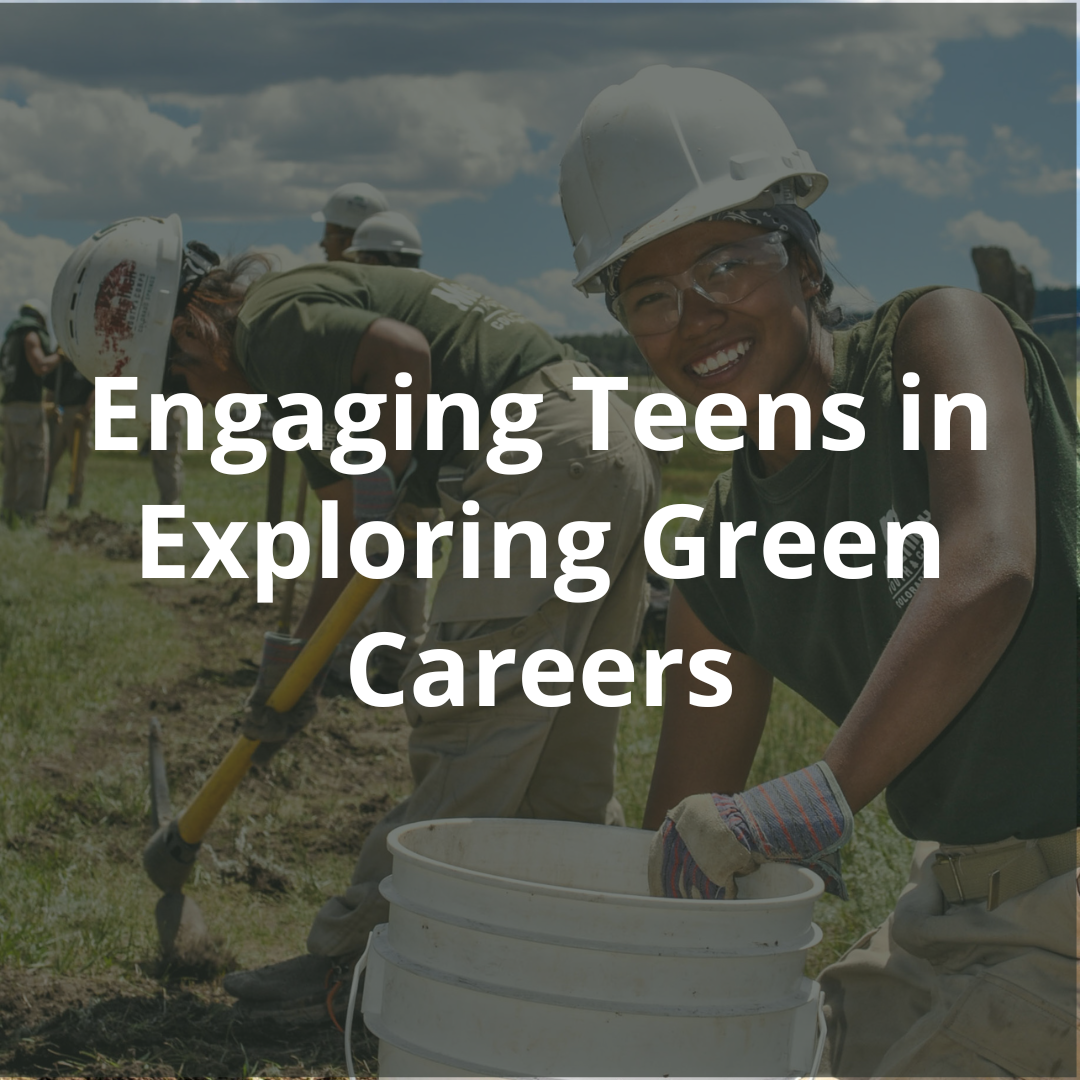
Through this course, participants will explore a variety of strategies, tools, and resources to integrate career exploration into programming and help teens on their path to an environmental career.
- Teacher: Lisa Eadens
- Teacher: Katie Navin
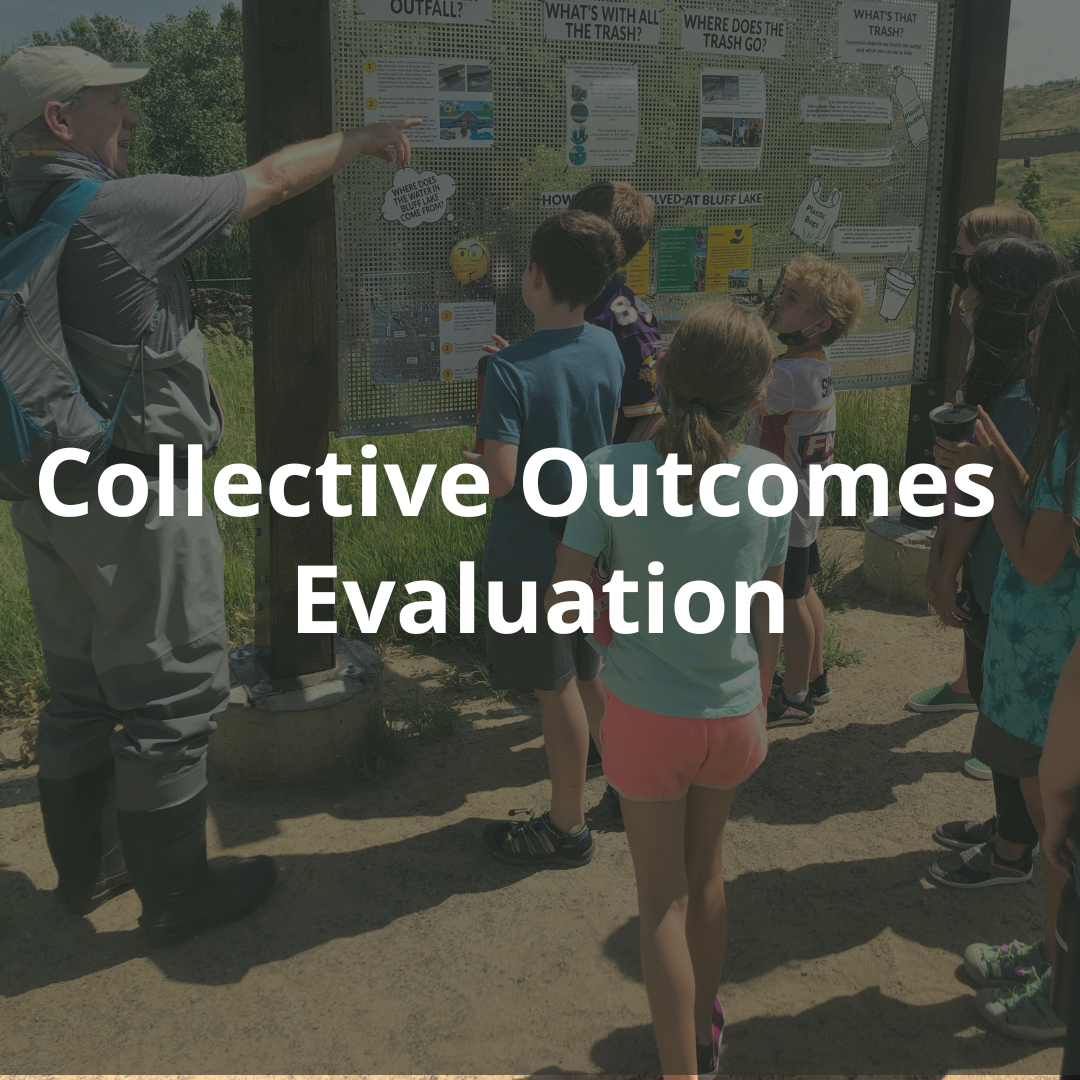
This course will help you build your organization's evaluation capacity by increasing your skills in evaluation, from planning to communicating the results. This course will focus on supporting you in evaluating outcomes that fall under the impact areas of conservation, PreK-12 Education, and Positive Youth Development, health and wellness, and social justice.
- Teacher: Lisa Eadens
- Teacher: Katie Navin
This course is designed to introduce you to NAAEE’s Community Engagement: Guidelines for Excellence. The guidelines focus on community wellness and help environmental educators create inclusive environments that support effective partnerships and collaborations.
- Teacher: Lisa Eadens
- Teacher: Katie Navin
This course is designed to provide a strong foundation in the language, concepts, and principles of equity work. It is meant to be an introductory course and spark interest in further learning around justice, equity, diversity, and inclusion.
- Teacher: Erin Dreps
- Teacher: Nikia Robert
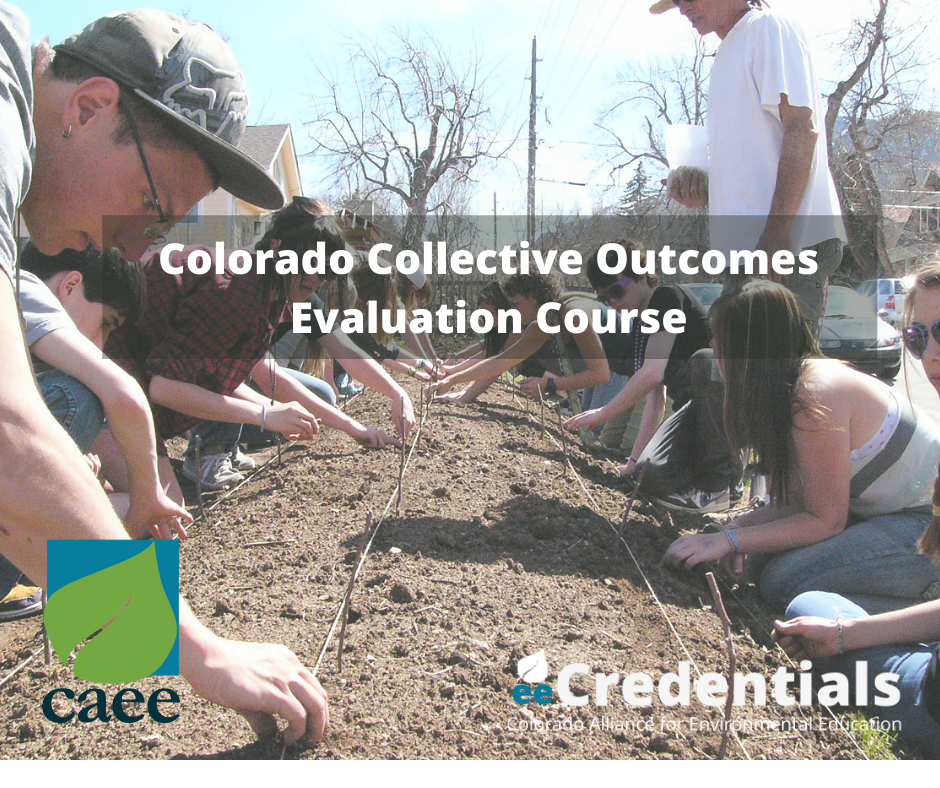
Are you interested in building your organization's evaluation capacity? The Collective Outcomes Evaluation Online Course presented by CAEE and Point b(e) Strategies will build participants' skills in evaluation, from planning to communicating the results.
- Teacher: Katie Navin
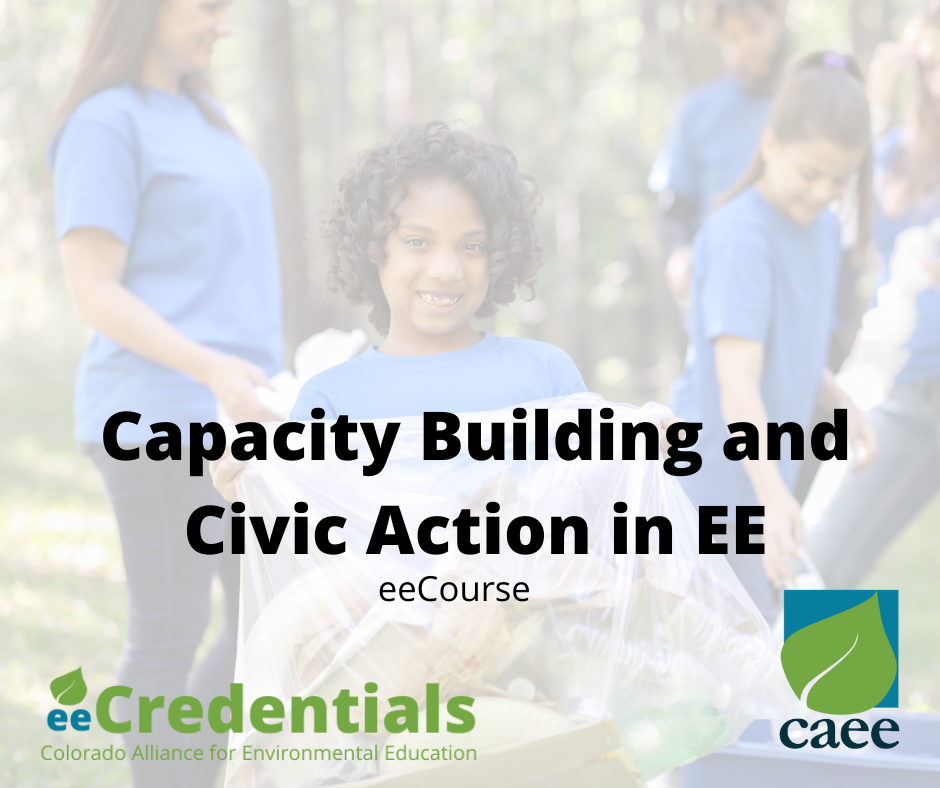
This course is designed to introduce you to Key Characteristic #4 Oriented Toward Capacity Building and Civic Action and Key Characteristic #5 A Long Term Investment in Change in NAAEE’s Community Engagement Guidelines. We will explore how environmental education can support capacity building for ongoing civic engagement in community life and the long term commitment required to do so.
The Collective Outcomes Evaluation Toolkit developed by Point b(e) Strategies and CAEE will support your organization in building your evaluation capacity, from planning to communicating results and help you find the tools you need to make evaluation easier.
- Teacher: Katie Navin
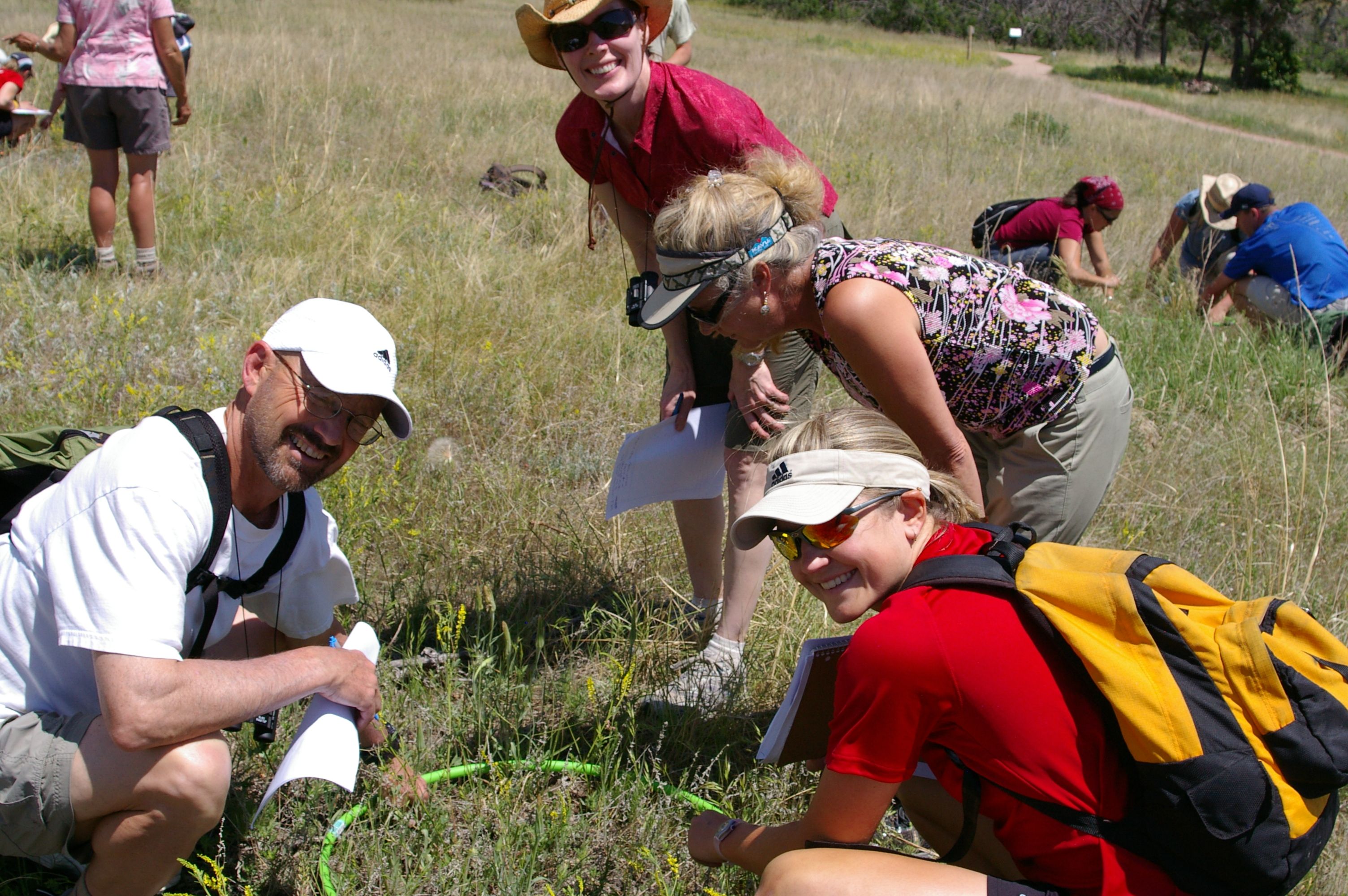
Principles and Foundations of Environmental
Education is a professional development course aimed at
classroom teachers and non-formal educators who would like to gain basic
knowledge of environmental education (EE) and how it can be incorporated into
their instruction.
- Instructor: Erin Dreps
- Instructor: Mary Jackson
- Instructor: Katie Navin